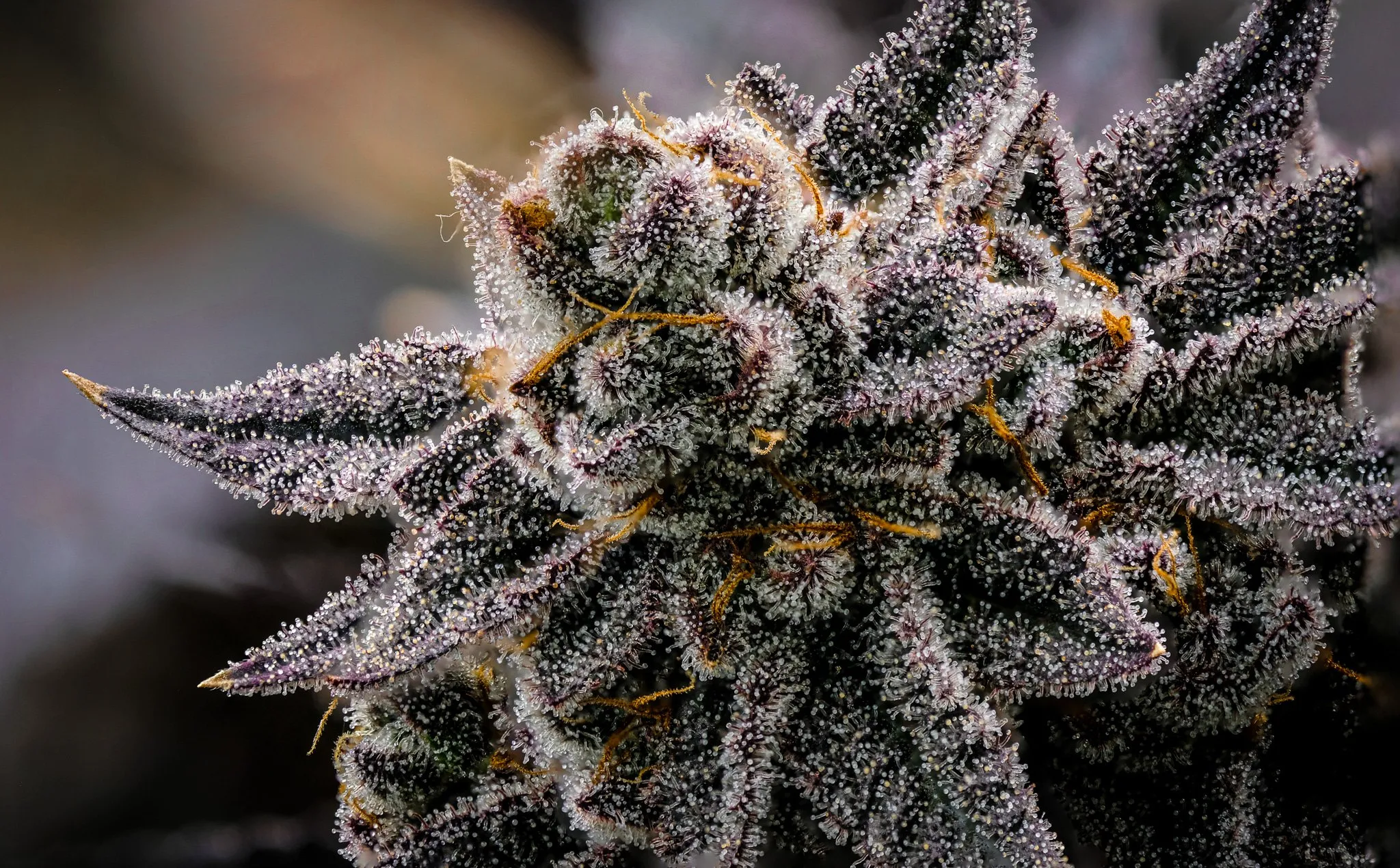
Cultivation & process optimisation
Make your best batch the standard.
Cultivation audits and process optimisation for facilities in operation: we analyse the whole cycle from mother plant to finished flower, find out where yield and quality are lost — and turn the findings into SOPs, KPIs and a trained team.
For cultivation associations, medical-cannabis producers, head growers and operations teams
Process map · one cycle
schematic
- 1
Mother plants & cuttings
Genetics · plant health · rooting
- 2
Vegetative growth
VPD · EC · light intensity
- 3
Flowering
Crop steering · dehumidification · IPM
- 4
Harvest
Trichome maturity · timing · handling
- 5
Drying & curing
Temperature · humidity · airflow
- 6
Storage & release
Water activity · batch records
-
42 t
planned annual capacity
in 4 facility projects in progress
-
45+
companies advised
along the value chain
-
10
GACP/GMP audits on site
in Portugal, Germany, Canada
-
24
cultivation associations & CSCs
among our clients
01 Why optimise
Quality is rarely lost in one place.
In a running facility, yield and quality leak away in many small places: a mother plant that has carried a latent infection for months, a climate that drifts every night, an irrigation strategy nobody wrote down, a drying room that runs too fast in summer. Most of these causes can be measured — and once they are visible, they can be addressed systematically.
- 01
Batches that vary
Same strain, same room — and still a different yield, density and aroma every cycle. Without consistent records, nobody can say why.
- 02
Problems that start at propagation
Mother plants kept for too long, latent pathogens such as hop latent viroid (HLVd), uneven cuttings: what goes wrong at propagation shows up in every cycle that follows.
- 03
Climate and root zone drift
VPD swings between day and night, a drain EC nobody checks, irrigation by feel: small deviations add up over a cycle to stress, losses and uneven flower.
- 04
Mould and pests found too late
Botrytis inside dense buds, powdery mildew, spider mites or thrips — noticed once the damage is visible, then treated reactively. In the worst case a whole batch is lost or fails its specification.
- 05
Quality lost after harvest
Drying too fast costs aroma; too slow or too humid invites mould. Harvest timing, handling, drying and curing decide how much of a cycle's work reaches the finished product.
- 06
Knowledge in one head
Irrigation strategy, harvest timing and drying parameters often live in one person's experience. If that person is absent — or many members share the work — every shift grows a little differently.
Typical reasons for a cultivation audit
- Yield or quality below plan
- Recurring mould or pest pressure
- Unexpected lab results
- New strains or a new room
- Scaling up production
- New head grower or a growing team
- Switching substrate or cultivation system
- Preparing for an audit or inspection
02 What we look at
Six fields, one system.
Cultivation is a system: climate affects irrigation, irrigation affects plant health, harvest timing affects drying. That is why we look at all fields together — and prioritise by their impact on your batches.
-
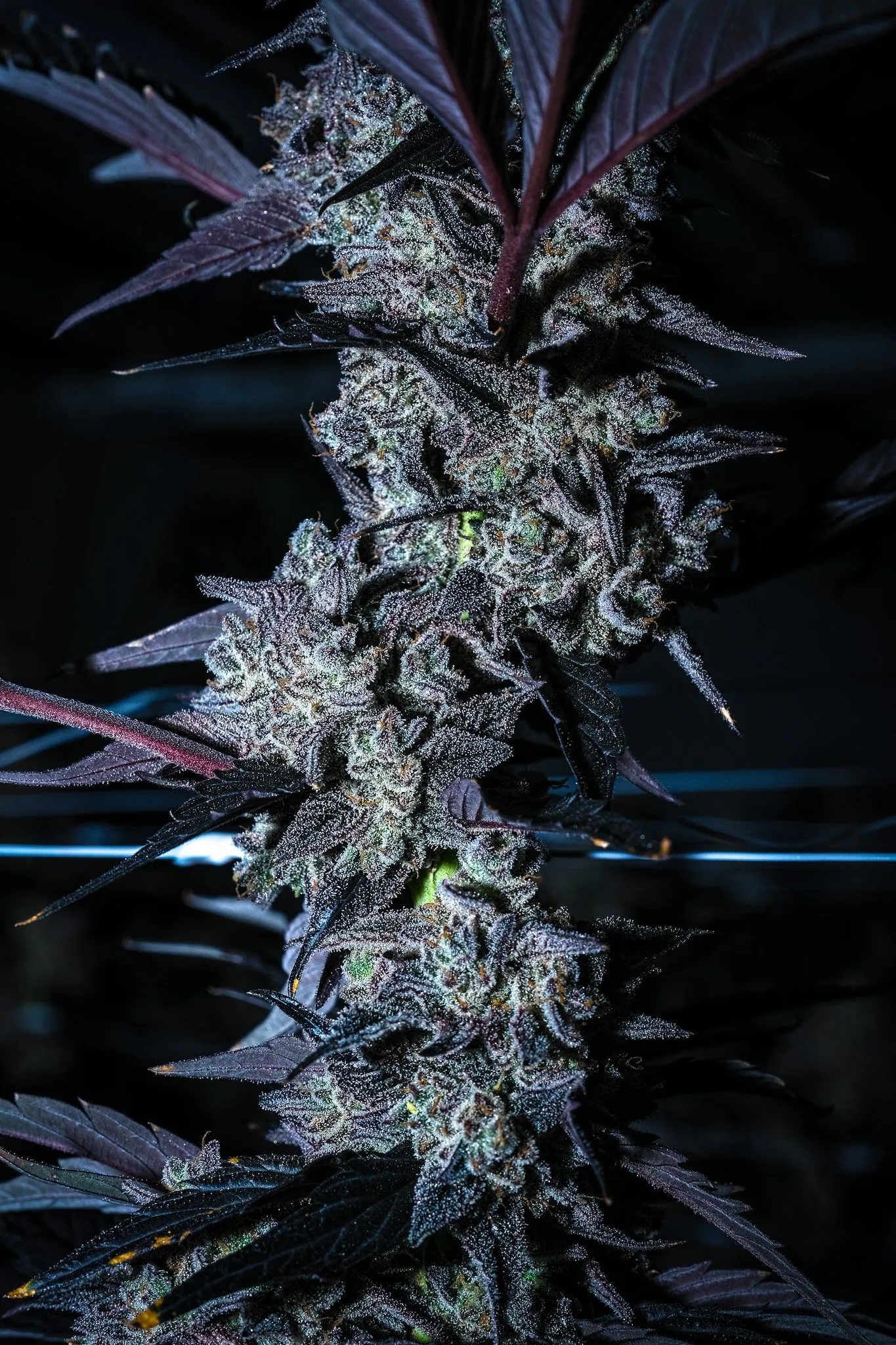
01 Plant material
Genetics & propagation
Healthy, uniform starting material is the basis of every consistent batch. We review strain selection, mother-plant management and propagation — and, where it makes sense, set up a supply of tested cuttings or tissue-culture plants with our partners.
- Strain selection and phenotype evaluation
- Mother-plant management and renewal
- Cutting and rooting routine, quarantine of new plants
- Pathogen testing and tissue culture with partners
In the journal
-
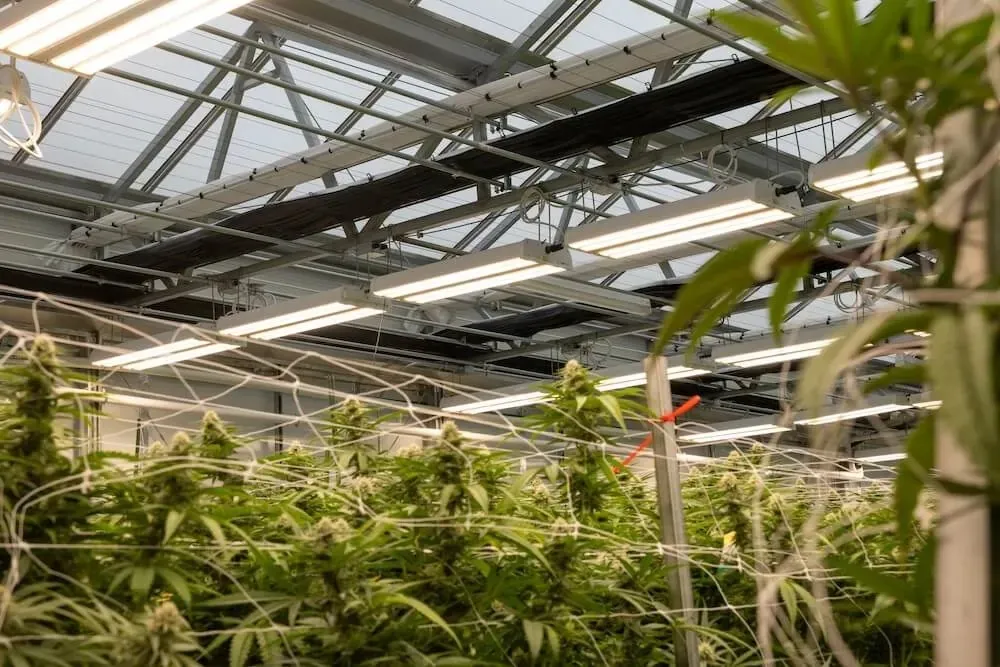
02 Growing environment
Climate, VPD & light
Temperature, humidity, CO₂ and light have to match — per phase and per strain. We check whether your climate strategy and lighting fit the plants' needs and whether the technology actually delivers them, day and night. For new lighting we work with partners such as Fluence.
- VPD strategy per phase, day and night
- Airflow, dehumidification and canopy microclimate
- Light intensity, spectrum and photoperiod
- Sensor positions and set points in the climate computer
In the journal
-

03 Root zone
Substrate, irrigation & EC
Living soil and rockwool follow different rules — both work when they are run consistently. We review substrate, irrigation strategy and nutrition, from the water source to the drain.
- Living soil: soil biology, amendments, soil tests
- Rockwool: crop steering with irrigation strategy and dry-backs
- Fertigation, input and drain EC, pH and water quality
- Irrigation technology, distribution and run-off
-
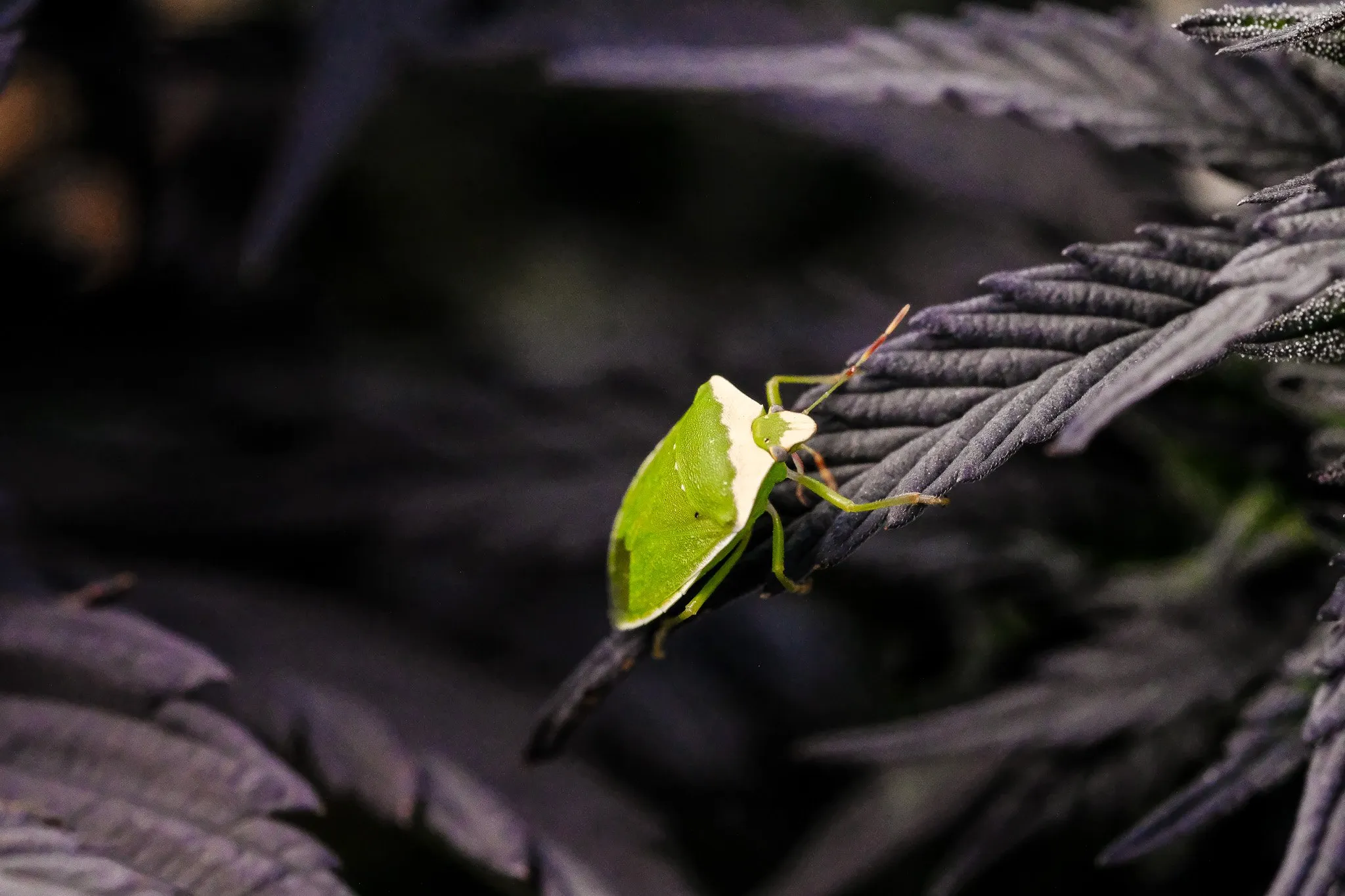
04 Plant protection
Integrated pest management
Prevention, early detection and clear thresholds instead of reactive treatment. We set up an IPM routine that fits your facility — and your regulatory framework.
- Scouting routines and documentation
- Beneficial organisms and preventive measures
- Botrytis and powdery-mildew prevention through climate and canopy management
- Action thresholds and handling of affected batches
Related service
-
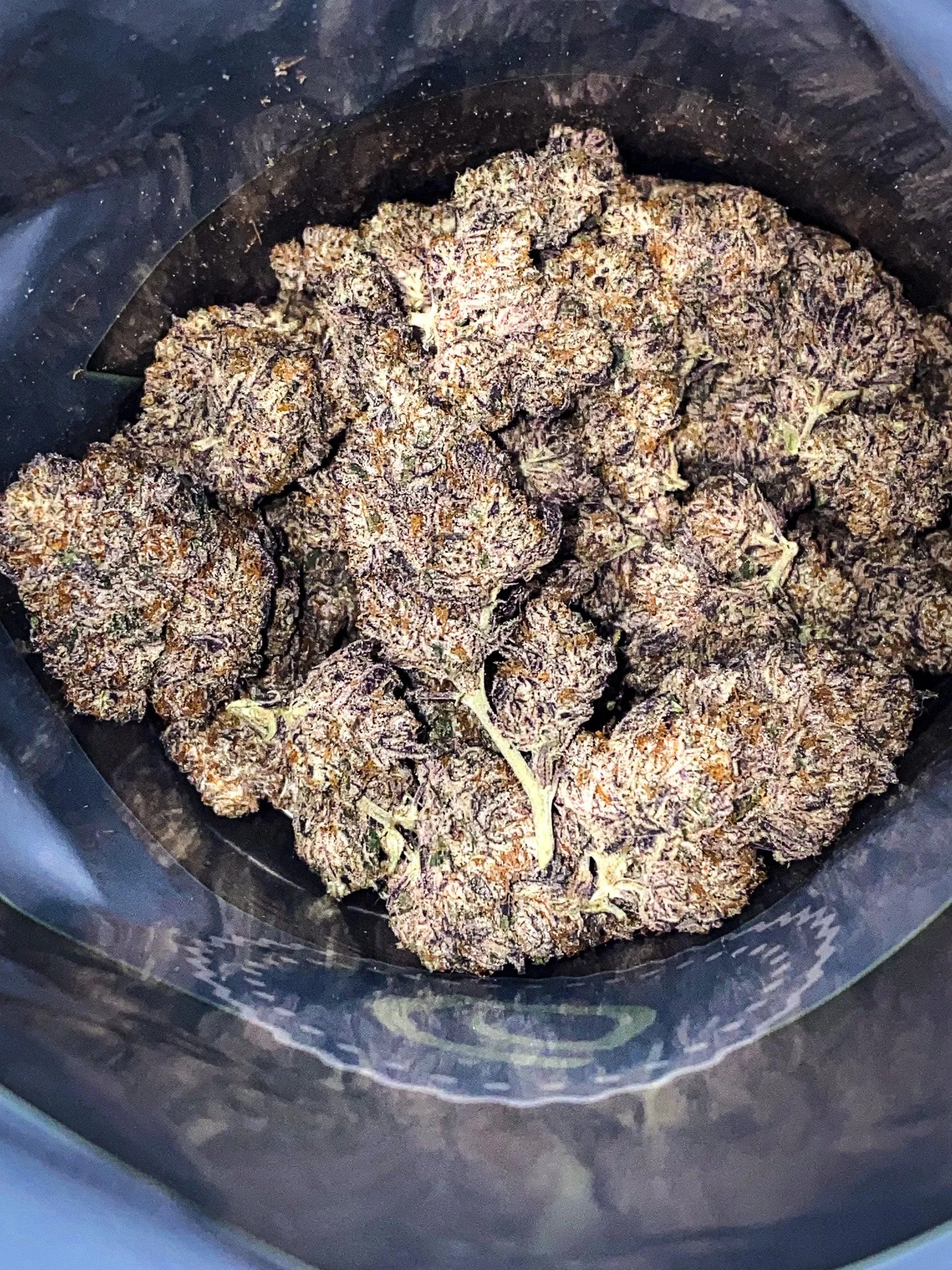
05 Post-harvest
Harvest, drying & curing
A lot of quality is won or lost in the final weeks. We look at harvest timing, handling and the drying and curing conditions — where aroma, appearance and microbial safety are decided.
- Harvest timing based on trichome maturity
- Handling, trimming and transport without damage
- Drying and curing: temperature, humidity, airflow, duration
- Storage, water activity and batch separation
In the journal
-
06 Organisation & data
SOPs, training & KPIs
Good results become reproducible when they are written down, trained and measured. We turn your best practice into SOPs, train the team at the plant and define a small set of KPIs that shows early whether a batch is on track.
- SOPs, work instructions and checklists
- Training for staff or members, with records
- Sensor data and batch records, evaluated together
- KPIs such as yield per m², loss rate and cycle time
Related service
03 Deliverables
What you receive
Results your team can work with on Monday morning — written for the people who run the facility, not for the drawer.
-
Cultivation audit report
Findings across all six fields, prioritised by their impact on yield, quality and risk — with photos from your facility.
-
Prioritised action plan
Measures with owner, effort and timing — quick wins kept separate from changes that need investment.
-
SOPs & work instructions
For the critical steps from propagation to curing, including checklists for the daily routine.
-
Monitoring & KPI set
Which values are recorded where and how often — and which KPIs show early whether a batch is on track.
-
Team training
Hands-on training on site, at the plant — documented, for staff or members.
-
Follow-up review
Data and results compared after the next cycles — and adjustments where needed.
04 How we work
From audit to routine in five steps.
- 1
On-site audit
Walk-through from the mother plants to the drying room, conversations with growers and management, plant and flower assessment — including under the microscope.
Findings
- 2
Data & SOP review
Climate and irrigation logs, fertiliser plans, batch records, lab results and existing SOPs. Where data is missing, we define what to record from now on.
Baseline
- 3
Action plan
Prioritised measures, agreed with the head grower and management: what changes now, what in the next cycle, what needs investment.
Priorities
- 4
Implementation with the team
SOPs and checklists are written together with the people who use them and introduced through training at the plant.
SOPs & training
- 5
Follow-up
After the next cycles we compare data and results with the starting point and adjust where things are not yet working.
Review
Ongoing support beyond the project — for example regular reviews of your climate and batch data, or support when introducing new strains.
05 Experience
From the field to the lab.
Cultivation optimisation needs two perspectives: the grower's eye for the plant and the auditor's eye for the process. Both come from practice.
- 2020 – 2021
Head of Cultivation indoor & outdoor, Vapes'n'Dabs (CH)
Built and ran a 1-hectare outdoor CBD cultivation plus indoor production — including the criteria for product quality.
- since 2021
Research Gardens
45+ companies advised along the value chain, including on quality and process optimisation — from cultivation associations to medical-cannabis producers.
- 2021 – 2024
AvaGro / Avacare, Namibia & Zimbabwe
Planning of a plant-tissue-culture lab and advice to the operating teams on implementation and process design. In addition, advice to a leading vegetable and medicinal-herb producer on cultivation systems and scalable production approaches.
- 2022 – 2024
Head of IT & QMS, Alpine Biolabs (AT)
Quality management and IT for a plant lab offering pathogen testing, tissue culture and clones.
- 2023
GACP/GMP audits for STADA (via Corellia)
10 on-site audits of cultivation and processing facilities in Portugal, Germany and Canada — including microscopic flower assessment.
- 2017 – 2019
Cannabis-Rausch.de and a cannabis social club in Spain
Co-founder of Cannabis-Rausch.de (150+ articles, from 2017) and co-founder of a cannabis social club in Spain (2019).
06 Knowledge
Cultivation knowledge, openly shared.
Many topics on this page are covered in depth in the Research Gardens journal and on our YouTube channel — a good way to get to know our way of thinking before the first call.
From the journal
-
 Sustainability
April 22, 2023 · 100 min read
Indoor living soil- the knowledge base
-
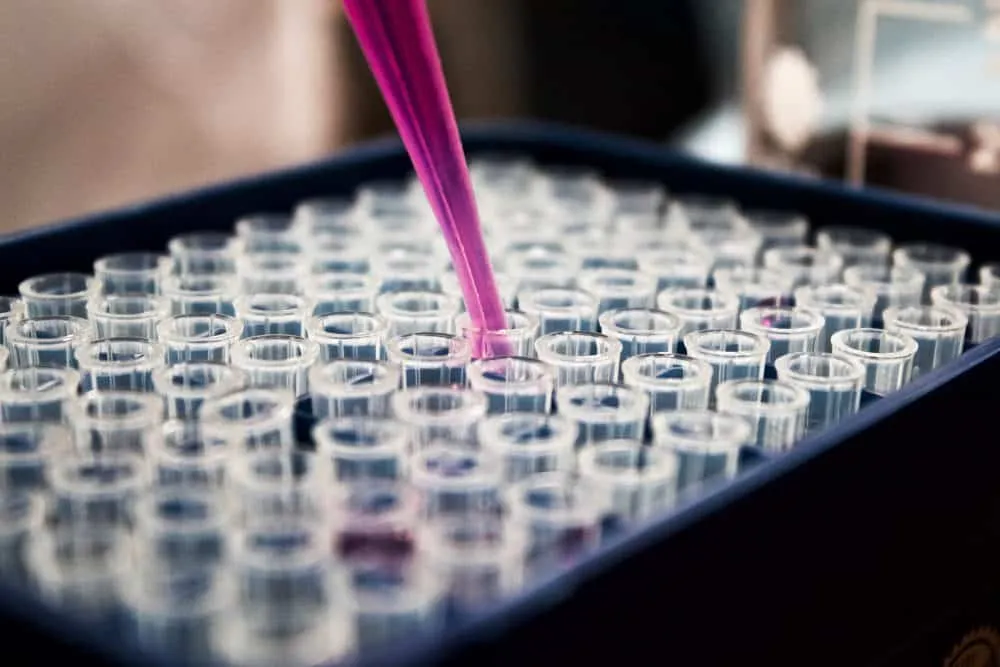 Cannabis Lab
May 17, 2021 · 20 min read
The EC value: importance for (hydroponic) cannabis cultivation
-
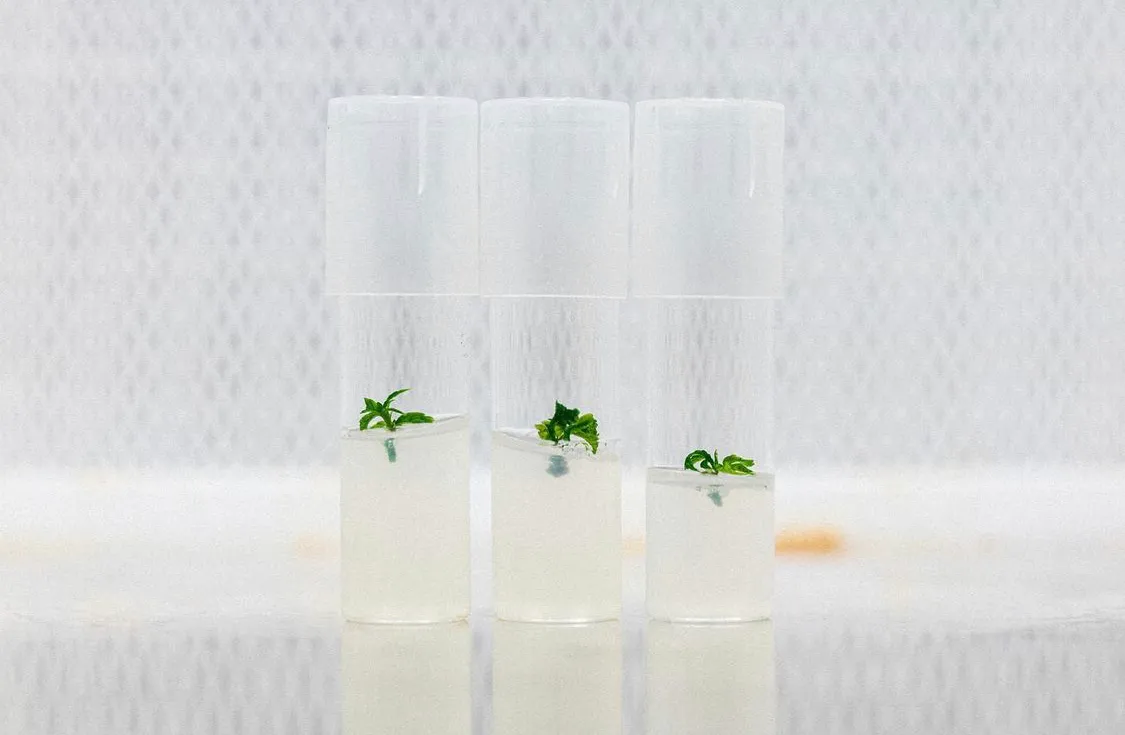 Cannabis Lab
May 20, 2021 · 17 min read
Plant Tissue Culture – the future of Cannabis clone production
More on cultivation in the journal
- Soil biology · KNF Korean Natural Farming I The future of sustainable agriculture
- Soil biology · KNF FPJ (Fermented plant juice) – the KNF terp booster for Cannabis
- Soil biology · KNF FFJ – Fermented Fruit Juice – The terp booster from Korean Natural Farming
- Soil biology · KNF LAB – lactic acid bacteria I The bouncer of Korean Natural Farming (KNF)
- Light Grow LED 1/3 – which light spectrum does Cannabis love?
- Cultivation systems Is outdoor grown cannabis really inferior to indoor grown?
- Facility & workflow The rolling bench issue: The perfect table width for cannabis cultivation
- Post-harvest Ice water hash – a complete guide from harvest to dab
On YouTube
Most videos are in German.
-
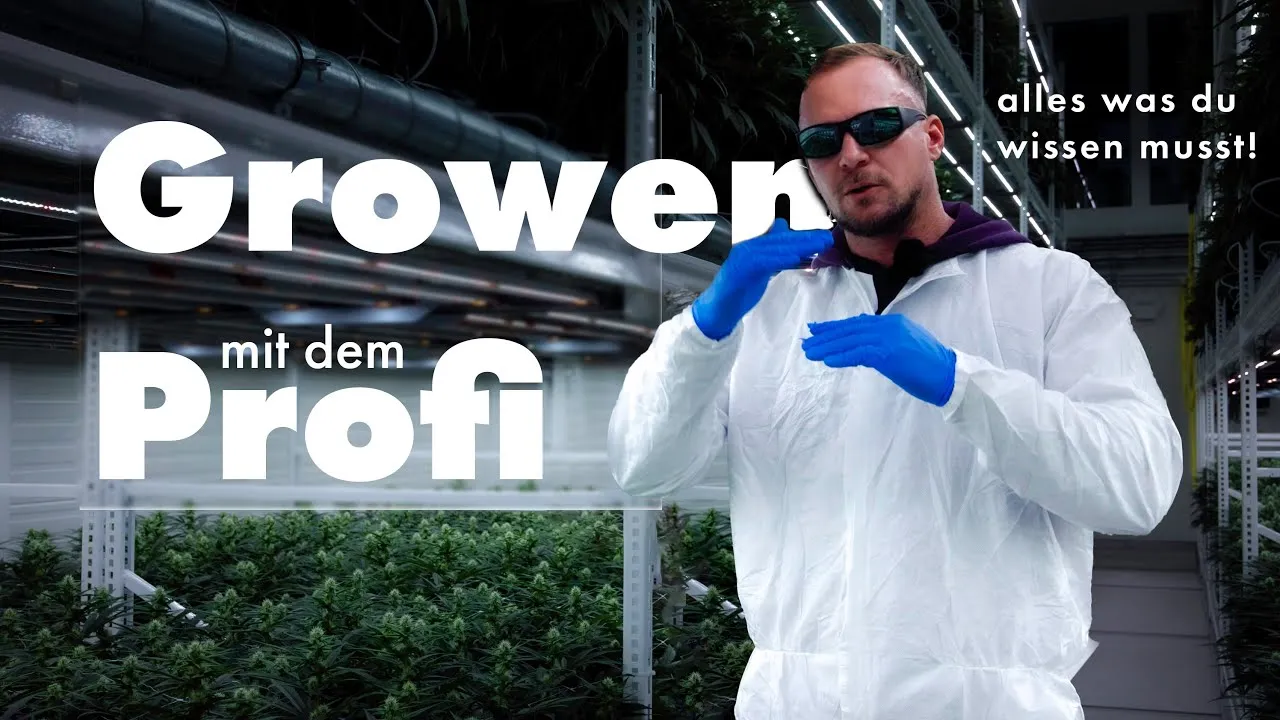
Rockwool · crop steering
-
Living soil · organic
-
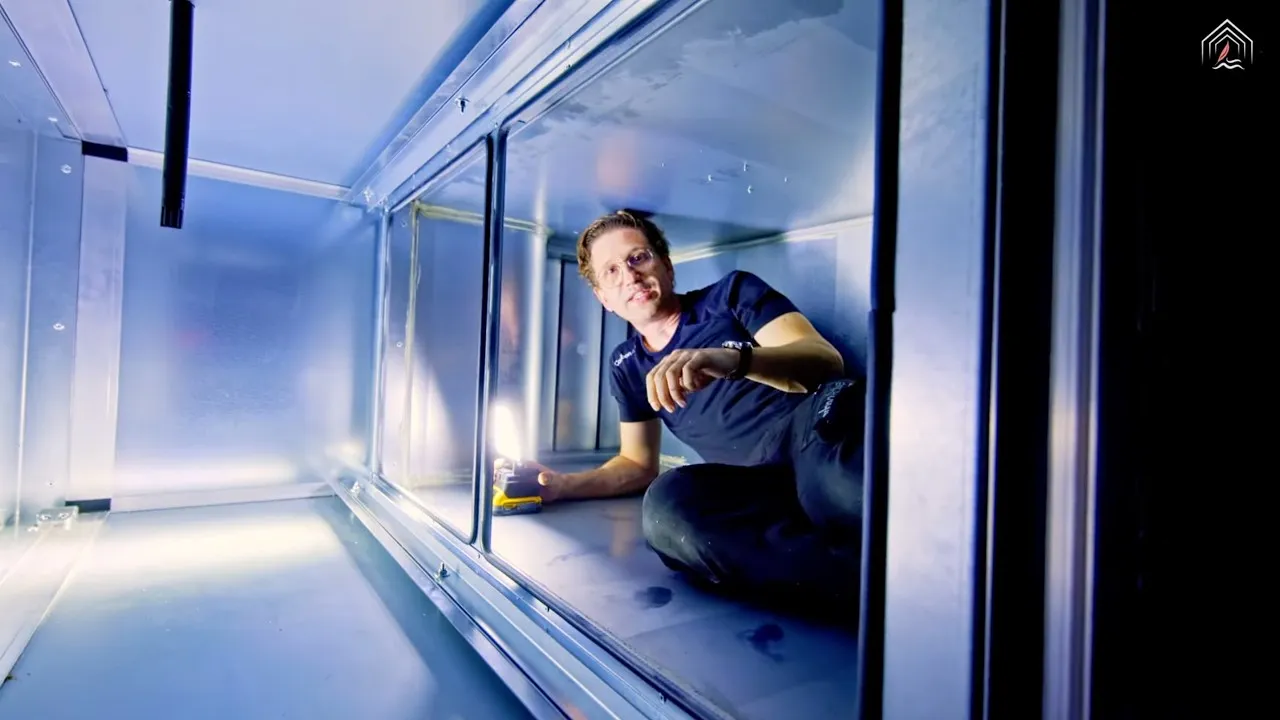
Climate · HVAC technology
-
Hydroponics · NFT at scale

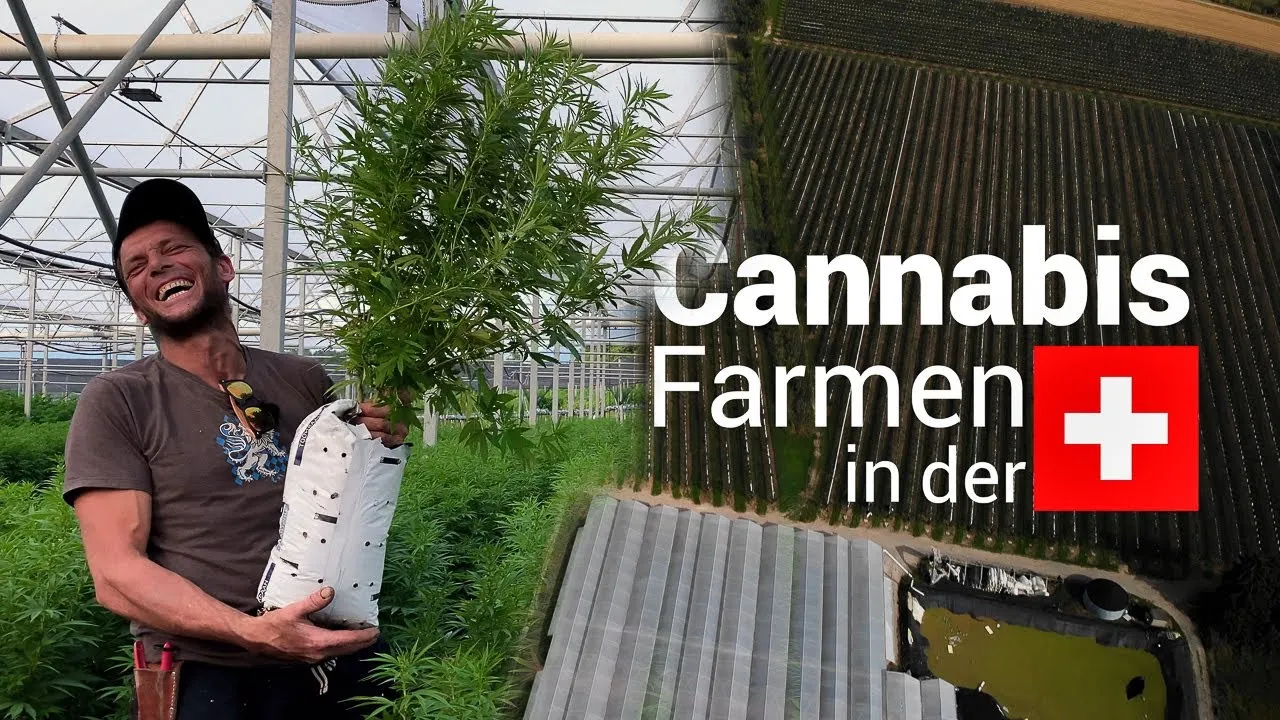

07 Your contact
Lorenz Minks
Research Gardens is a consultancy based in Küsnacht (Zurich) with a network of partners. In cultivation projects you work directly with me — in your facility, at the plant and in the follow-up.
I studied horticultural sciences — plant physiology, soil science, plant nutrition, analytical chemistry and medicinal plants — and later led cultivation myself, indoors and outdoors. The best teachers since then: the plants, and the growers who openly shared their experience.
- Board member of the BVCW
- Coordinator of the BCAv, lead of its working group on risk minimisation & product safety
- Supervisory board, CBG Hannover (2025–2026)
08 Propagation material
Healthy starting material — with partners.
Many problems in the grow room begin before the first cutting has rooted. For propagation material we work with two partners from Austria: Alpine Biolabs, a plant lab for pathogen testing, tissue culture and clones, and Roots Farms. I know Alpine Biolabs from the inside — from 2022 to 2024 I was responsible for IT and QMS there.
- Requirements for strains, quantities and plant health
- Pathogen testing of mother plants via the partner lab
- Incoming inspection and quarantine of new plants
- Mother-plant management and regular renewal
Which propagation material you may obtain, and from where, depends on your licence and the applicable law. We clarify this before anything is ordered — with legal advice from our partner network where needed.


09 FAQ
Frequently asked questions
Related services
When the cause lies elsewhere
- Hygiene QMS When mould and contamination are a hygiene problem rather than a climate problem: gap audit with surface swabs, cleaning plan and SOPs from cultivation to dispensing.
- GACP/GMP quality systems When your cultivation SOPs need to become part of a formal quality system — for medical-cannabis production and audit readiness.
- Facility & grow-room planning When the room itself is the limit: undersized dehumidification, an unsuitable layout or bench width, a new room or an expansion.
Is this worthwhile for a small cultivation association?
Yes. Many of the organisations we advise are cultivation associations. The method is the same as for a large producer; the scope follows your facility, your strains and your team. In small facilities, clear SOPs are often especially valuable, because the work is shared among many members.
Living soil or rockwool — which do you recommend?
The method that fits your goals, your facility and your team — and that you can run consistently. Living soil and rockwool with crop steering follow different logics, and both can produce excellent flower. We are not committed to either; if a switch makes sense, we plan it step by step.
We have an acute mould or pest problem. Can you help?
Yes. In that case the audit starts where the problem is: find the source, contain the spread, assess affected plants and batches — and then set up prevention so that the risk of recurrence drops. Plant-protection measures are limited to what is permitted for your operation.
Which data should we have ready?
Whatever exists: climate and irrigation logs, fertiliser plans, batch records with yields, lab results and current SOPs. If little has been recorded so far, that is a finding in itself — we then define which values you should record from now on.
How does this differ from a GACP audit or a hygiene QMS?
A GACP or GMP audit checks compliance with a guideline; cultivation optimisation asks how you can grow better and more consistently. The hygiene QMS focuses on contamination paths, cleaning and surface swabs. The three overlap — consistent, documented processes are the basis of all of them — and can be combined in one project.
How long does it take — and do you work on site?
The audit itself takes place on site, because a grow room cannot be judged from a desk. Data review and follow-up work largely remotely. Duration and effort depend on the size of the facility and the agreed scope; after the first call you receive a concrete proposal with procedure and price.
Next step
Where does your cultivation lose quality today?
Tell us about your facility, your cultivation method and what you are seeing. In a free 30-minute call we clarify whether an audit makes sense — and what it should cover.
What we clarify in the first call
- Facility, cultivation method and strains
- Current issues and their history
- Available data and SOPs
- Goals, team and timeline